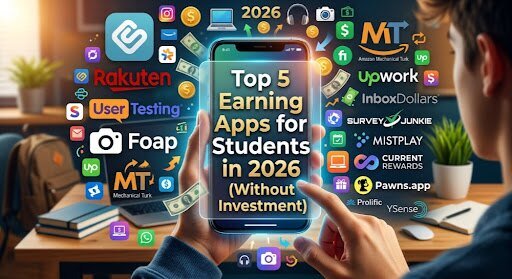
Some students make money online now using Top 5 Real Earning Apps for Students – yet the myth of effortless cash makes them install more anyway. By 2026, actual platforms that pay are around, though they demand steady effort instead of miracles. A few apps prove different – not by shouting about riches, but through tiny payouts to those who use them lightly, alongside other work.
They aren’t chasing viral moments; these services show proof of payments on sites like Reddit and Trustpilot, plus code updates suggesting ongoing maintenance.
1. Swagbucks More Than Surveys.
Earning Apps for Students.
Since launching in 2008, Swagbucks runs as part of Prodege LLC, confirmed by official U.S. records. People earn credits by doing small jobs – watching clips, answering polls, searching online. Yet few talk about how points shrink – ten percent vanishes every half-year if you haven’t logged in within twelve months. That detail pushes people away over time.
When it comes to students, rushing won’t help – timing matters more. Three logins each week, usually just quick stuff like five minute surveys, might get you three to five bucks per month. Once you hit five dollars, they send it straight to your PayPal or as a gift card. Hook up your Microsoft account, run searches on Bing, and little bonus points pile up every day without much effort.
Not saying it makes rich people out of anyone, though payments do show up when expected. Doing this while handling other things works best – no rush, no pressure, just steady tiny gains.
2. Rakuten Offers Gradual Cash Back.
Once called Ebates, the company switched to the name Rakuten back in 2019, sticking with official agreements tied to more than three thousand five hundred stores. Buying schoolbooks or gadgets via their platform gives students a return of one to ten percent. Here’s the twist – store promotions keep shifting over time.
Take Amazon Earning Apps for Students: gone during 2024 after money disagreements, yet brought back by early 2025 though now offering smaller rewards. Checks or PayPal bring payments every three months, though just when amounts go above five dollars. Not many learners notice how teaming up boosts worth – during discounts such as Black Friday, one link used by several people means more refunds on a single offer.
Schools frequently post those links inside Facebook circles for pupils. What matters most is not the small return each time – it’s the change in behavior. With Rakuten, normal shopping slowly adds tiny rewards while spending stays exactly the same.
3. UserTesting Captures Real Voices Beyond Feedback.
Most people earn ten dollars by talking through a website visit. Instead of clicking answers fast, testers explain what they do step by step. Because of that, only confident English speakers tend to stick around. Voice recordings keep some folks away – especially if sharing sound feels awkward.
Starting in 2023 Earning Apps for Students, school tech became part of the mix. Programs like online class portals show up more often on user tasks. College learners now spot problems in tools before everyone uses them. Now and then, tests show up – getting them ties to what gadget you use, where you are, how well you’ve done before. Funny thing is, steady internet beats fast fingers every time.
With solid signal plus zero background noise, people finish quicker, score better, land more chances. Seven assignments in thirty days for some. For others? Silence. Flow isn’t promised. Stick around regularly though, and chances tilt your way. Payouts arrive via PayPal roughly fourteen days after you ask. There are zero service costs, but overseas transactions might carry bank-imposed fees.
4. Foap Lets You License Photos Without Taking Them.
From London-based Creativity Capital Ltd comes Foap, built around letting users license their phone snapshots. Pictures go up, companies pull them down for official use. Here is where it shifts – money mostly arrives through campaign matches instead of one-off buys.
Think prompts like “young people reading in quiet spaces.” Payouts land between five and twenty-five dollars. Those who post often start seeing rhythms: soft daylight images near universities when tests are close tend to win more spots. What gets tagged right tends to find buyers faster. Every time a photo sells, half goes straight to Foap. Cash arrives through PayPal once five dollars add up.
A few college groups suggest marking images before sharing them online. Snapping at the right moment often counts more than how pretty the shot looks. Knowing what ads need visually plays a bigger role than perfect composition.
5. Amazon Mechanical Turk Hidden Work Network.
Not fresh on the scene, MTurk Earning Apps for Students started back in 2005, linking people who need tasks done with those willing to do them – tasks like sorting info, typing out audio, or labeling bits of data. College learners often jump in for these gigs. Earnings? Roughly two bucks per hour, says an MIT analysis from 2024 featured in Digital Labor Review. Still, picking assignments carefully can boost what you make.
Though old, it keeps running. A few tasks – such as tagging photos for artificial intelligence systems – offer eight to ten dollars per set finished within half an hour. To spot them, workers sort through job postings using ratings and past acceptance levels of employers. Seasoned contributors log frequent high-wage posters in personal spreadsheets. The platform does not highlight elite workers directly, yet consistent approvals help surface better assignments.
Funds transfer into your Amazon Pay account every week. Funds show up in your account after four to seven days. Some say it preys on those with tight budgets, though for students looking for odd jobs that pay quietly and without fuss, it still works – just not with any shine.

Most look-alike apps never last. Copying features happens often yet real support systems stay missing. Stores overflow with knockoffs claiming quick paydays – nearly all gone before a year passes. Real ones stick around by following rules, sending required income reports in America, keeping records clear. Big spikes in cash rarely happen still they remain standing long after others fade.
Here’s a different truth: part-time roles stay untouched by these options. Using every one carefully could bring in fifty to a hundred and twenty dollars each month – roughly what eight hours at minimum pay buys in certain places. What makes them matter is how easy they are to start: no job history needed, no talk with managers, no fixed shifts.
Money lands straight into your own account. Spending zero dollars? That cuts financial danger. Still, hours add up fast. Every site needs sharp eyes – study rules carefully. Skip mistakes that get you kicked out. Stay on top of alerts without fail.
Left out in nearly every discussion? The toll on the mind. Alerts running in the background shape how people act. Silence those pings, tension eases – yet a fear lingers of skipping rare chances. A few walk away once they see their focus drained more than their bank account gained.
Here’s what really happens. Digital work splits time into tiny pieces. Tiny actions build up if done again and again. These apps favor steady habits more than big ideas. Students balancing school find it works better to skip hunting every cent – instead pick just a couple tools that fit normal behavior. Spend hours watching clips? Try Swagbucks then. Buy things online often? Send those clicks via Rakuten. Snap shots with your mobile anyway? Toss spare ones on Foap.
Facts sit quietly. Results take their time. Progress builds through routines you barely notice. What matters isn’t force – it’s how things fit together. The real driver hides in plain sight: consistency weaves the pattern, not bursts of effort.
They do not pay for classes. Yet one might buy groceries when funds run low, another reloads a bus pass before work, some just help money last till next week. By 2026, it is this patchy quiet aid – unreliable, invisible, often maddening – that turns them into something actual.
“Check out our other tips on MyPathProfit“

Thanks for this it’s help me