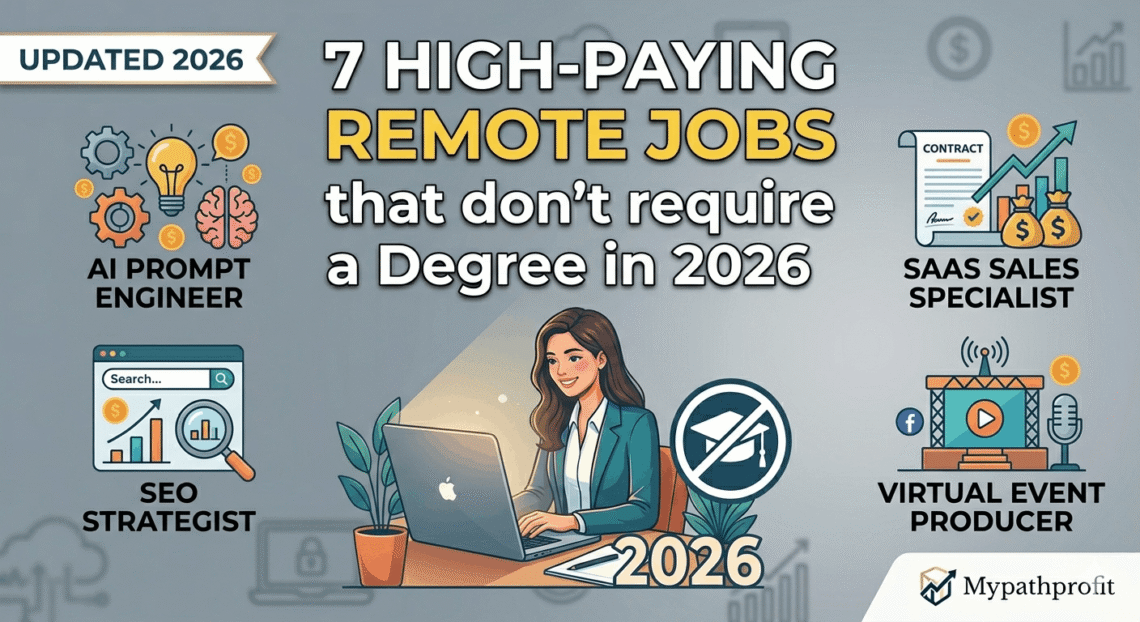
7 High-Paying Best Remote Jobs no Degree Needed:
Out here, a fat paycheck doesn’t always follow a college degree. Years back, diplomas held the door shut – but real work done in public has pried it loose remote jobs. Show what you can do: websites built, projects shipped, praise from those who hired you – that stuff now speaks louder than transcripts. Some jobs just want steady results, clever fixes, someone who shows up ready. School stamps matter less when the work proves otherwise.
Seven careers pay more than typical wages even without a college degree. Steady work, many offering growth over time. Pay rates come from widely posted listings in various areas – realistic numbers, not best-case guesses. Each role holds space beyond entry-level limits.
Training often happens on site or through programs lasting months. Workers build skills while earning from day one. Locations shift supply and demand, yet these fields stay consistently open. Experience widens opportunity faster here than in many office-based tracks.
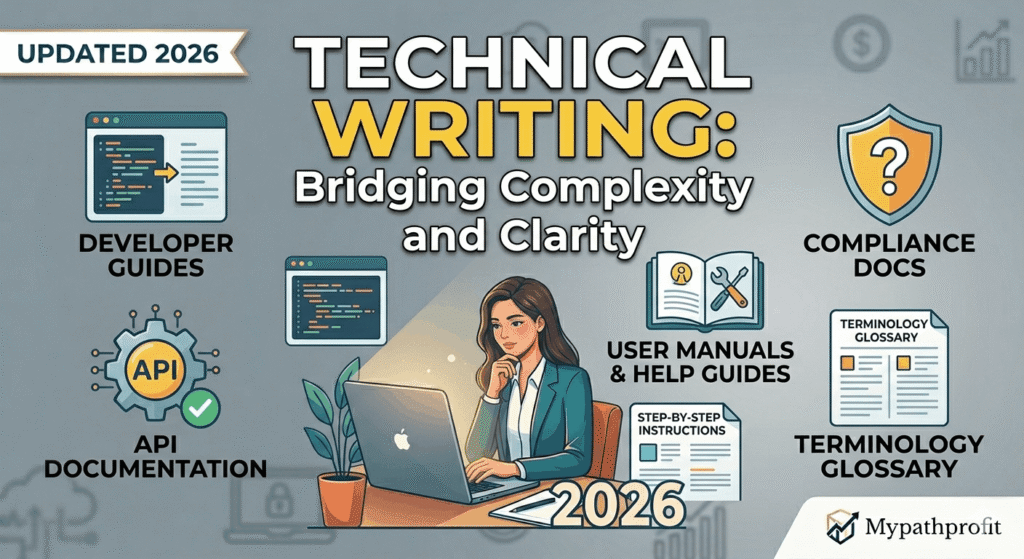
Technical Writing:
Money differs across writing jobs. Those explaining code, safety rules, or factory steps often earn more than folks crafting ads. Firms value clear words when things get tangled. If a programmer misreads an instruction, errors spread fast. Writing that shows skill often matters more to bosses than school records. Instead of degrees, some go for training in tools such as MadCap Flare or setups built on Markdown. Eighty-nine thousand dollars a year is what workers make on average.
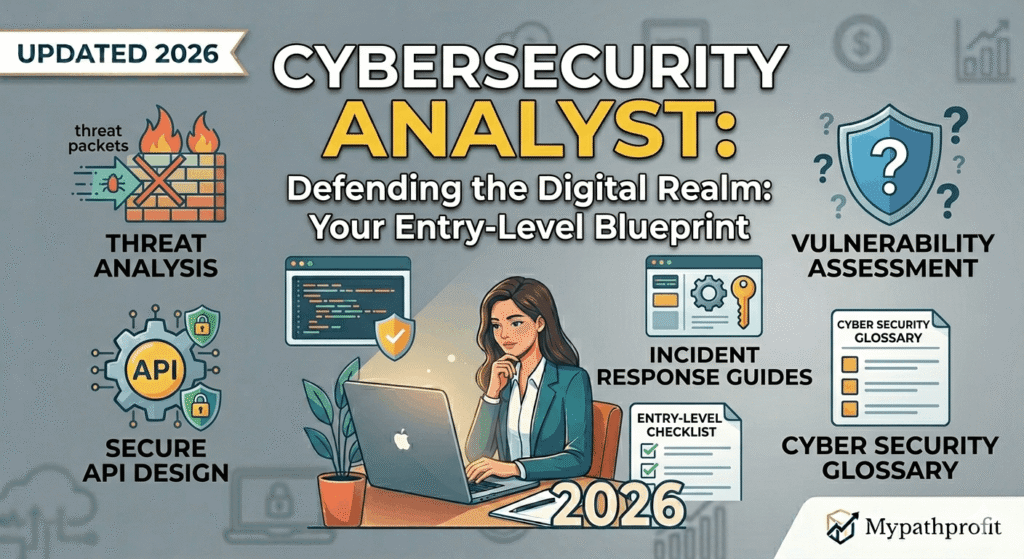
Cybersecurity Analyst Entry-Level:
Even though breach headlines fill the news, plenty of companies still can’t hire people for routine monitoring jobs. Starting out, analysts go through system records, spot odd patterns, sometimes help during active incidents too. Higher-up designers might have graduate schooling, but real-world experience matters more when spotting threats day to day.
Learning paths open up with tools like CyberAces online, also budget options including CompTIA Security+ ease the way in. Cloud providers sometimes include threat simulation labs at no cost. These days, many employers view them just like traditional courses. The typical entry-level paycheck lands around eighty-five thousand dollars.
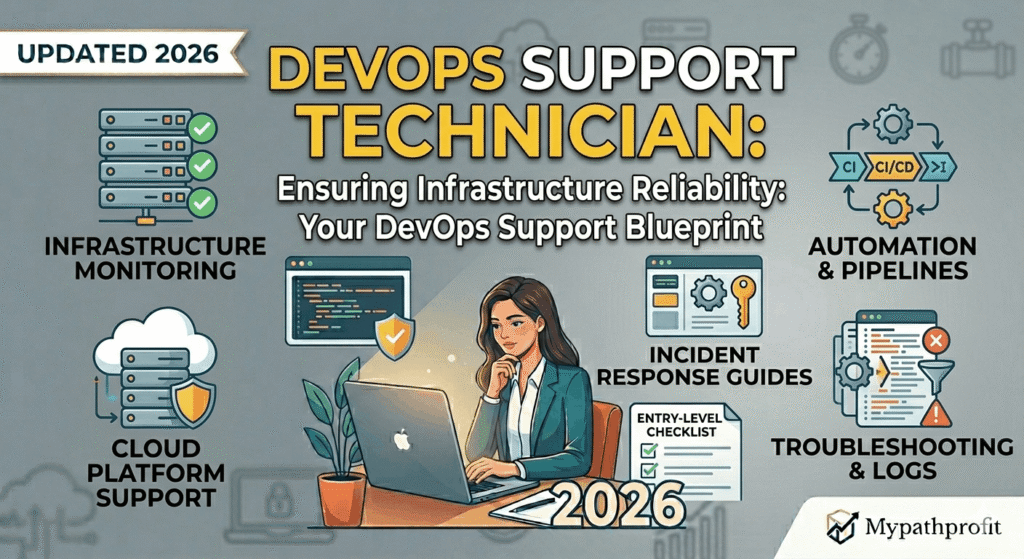
DevOps Support Technician:
Working between code creation and servers defines this job. Handling how software gets released, updating containers, fixing connection problems make up daily work. Missing piece? Most DevOps routines run on reusable scripts instead of abstract concepts. A person good at Bash or PowerShell scripting, maybe learned alone, handles key duties well.
Tools such as GitHub Actions or Jenkins show real cases openly – learners explore actual setups there. Sandboxes come included with cloud providers. Your workplace will deploy code differently than any college ever shows you; fitting into real workflows beats theory every time. Pay tends to land near ninety two thousand dollars.
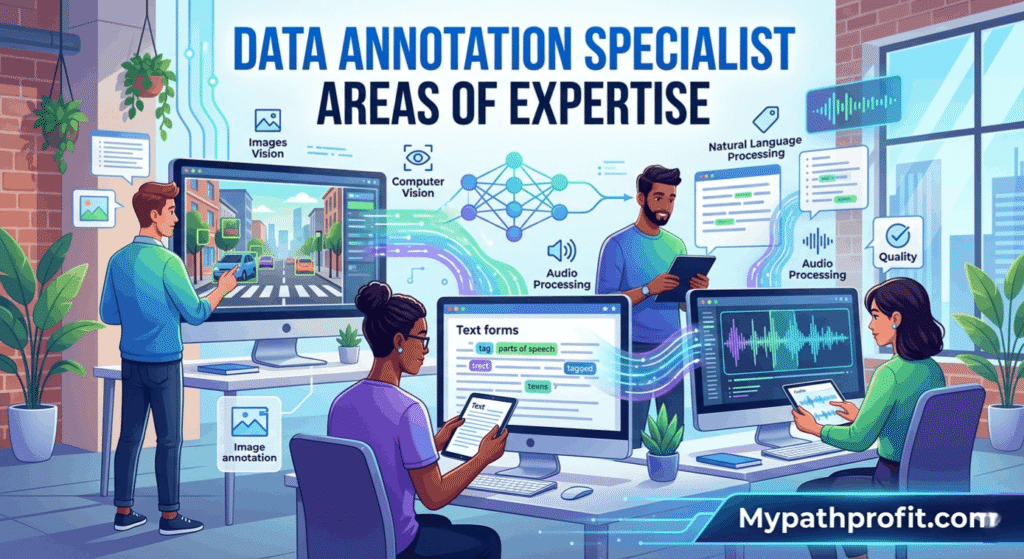
Data Annotation Specialist Areas of Expertise:
Some tagging tasks pay better than expected. When it comes to health pictures, self-driving cars, or law-related artificial intelligence, workers sort tricky data that needs real background knowledge. Take spotting body parts in X-ray images – this takes a solid few weeks to learn, though you do not need an MD.
Companies focused on these areas often run their own training, typically running six to ten weeks long. Pattern recognition skills grow through hands-on work with real data samples. Performance hinges on precision, so every label matters more than it first appears. Staying past the initial contract phase opens doors to salaries near seventy-eight thousand dollars each year. What looks like routine tagging is actually guiding how systems understand information across vast networks.
Customer Success Manager B2B SaaS:
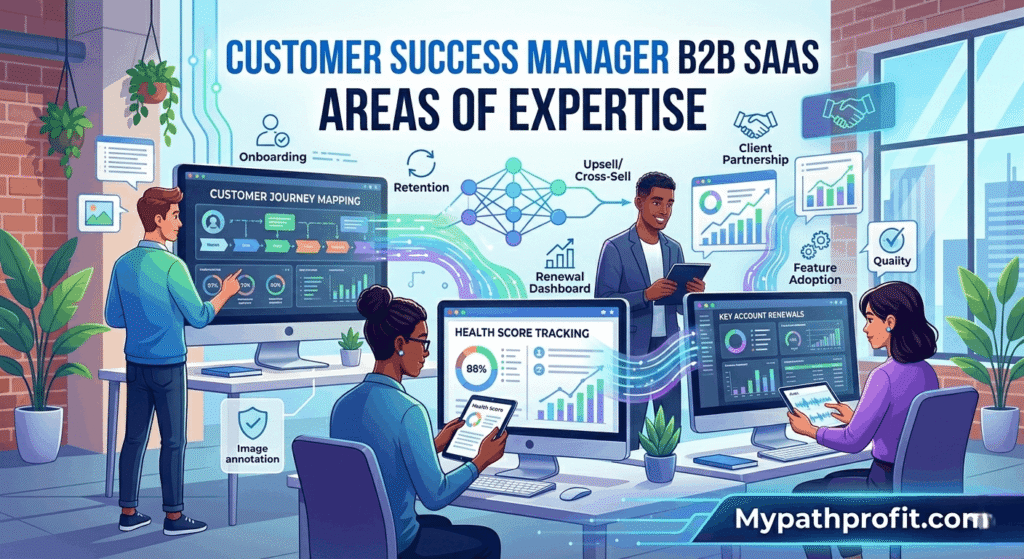
Keeping customers on board takes more than just a sale. Those who stick around often do so because someone helped them see what the tools can really do. Staying in touch, spotting when things might go sideways – this work leans heavily on reading between lines. People used to answering tickets sometimes shift into these positions after proving they understand workflows.
Knowing how to move through systems like HubSpot matters far beyond any resume line. Success here links less to pushing products and more to making sense of patterns others miss. Folks who keep clients stick around tend to earn extra cash, thanks to how solid those accounts stay. Paychecks start at eighty grand, nudging up toward ninety-four thousand when more customers are on the plate.
QA Automation Engineer:
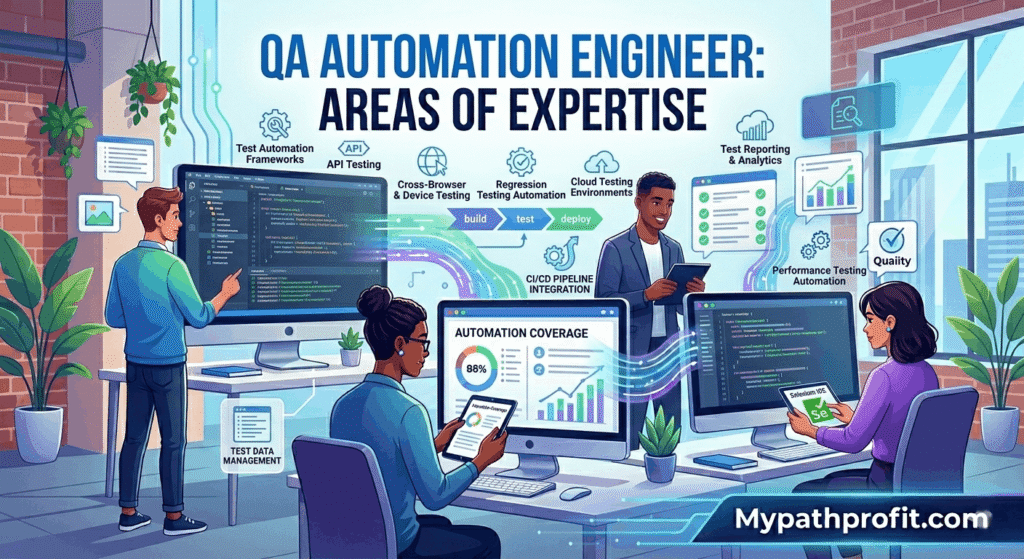
Some people click through software one screen at a time. Others build code sequences that fire off endless checks while they sleep. Knowing Python or JavaScript helps, especially when paired with something like Selenium. Short training programs now zero in only on automated testing – finish them in half a year. Hardly anyone talks about what comes after.
Working apart from developers lets many QA groups do their job without vying against new computer science grads. Performance shows up clearly through how much gets tested plus how often bugs pop up. Pay usually sits around eighty seven thousand dollars a year.
Cloud Billing Analyst:
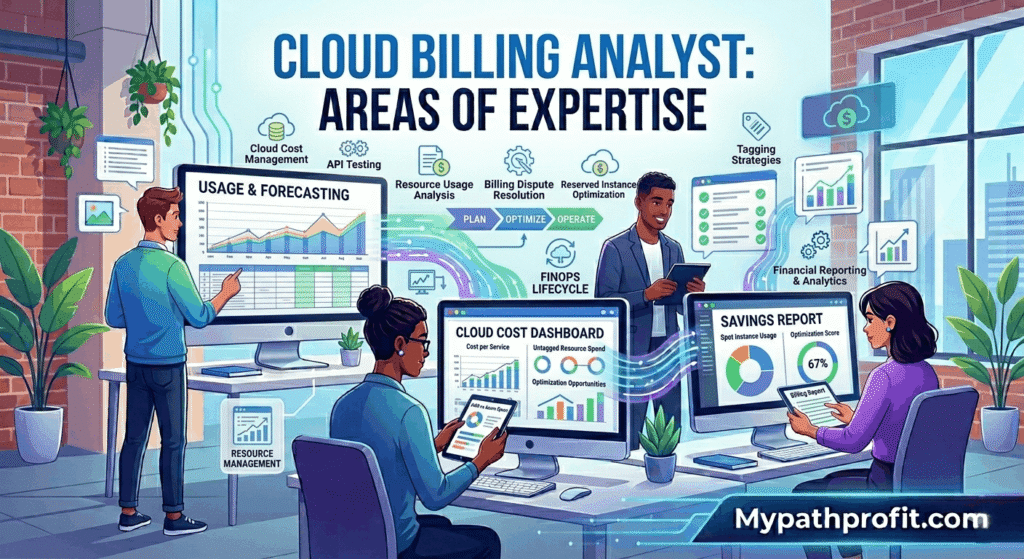
Wasted cloud spending piles up fast across corporations. Following how teams actually use systems helps spot what sits empty. Unused parts get flagged so changes can lower expenses. Reading charges from AWS, Azure, or GCP takes skill with rate tools instead of finance training. Labels and structure matter just as much.
Real examples prove some firms trimmed costs nearly a third once reviews happened. Through vendor websites or online groups, people learn what they need. For example, an AWS cloud certificate runs less than 150 bucks. Working with spreadsheets and spotting odd patterns matters a lot here. Most earn around eighty-three thousand dollars yearly, though consultants often make more.
A Different Way Ahead:
Job listings still ask for degrees, yet how strictly they’re applied changes from place to place. Hiring remotely cuts down location-based preferences, shifting attention toward actual work produced. If being seen at a desk holds no weight, then clear outcomes become key. Not one of these positions offers immediate entry. Learning with purpose, creating tangible projects, and connecting in specialized groups – each plays a role.
It’s not about missing school that connects them – they insist on never stopping their learning journey. Yet they challenge the idea that lessons belong just inside classroom walls. Digital libraries stand alongside shared code projects, while written fixes tell a story all by themselves.
Not everyone gets the same chance. Even now, slow connections, rigid schedules, or lack of guidance shape who succeeds. Yet these roles work – they tie earnings to thinking on your feet, not which school you attended.
Not removing degrees – that part stays. What changes is how we see tough work done another way. Digital worlds run on exact steps, doing things again, staying calm when it gets hard – none of which shows up on report cards. When jobs once tied to diplomas get handed to machines, skill grown alone might rise without fanfare, tucked behind the scenes.
“Check out our other tips on MyPathProfit“