
AI Agents That Work While You Sleep.
Automatic Side Hustles money from the internet looks different now – changed slowly, almost unnoticed. Not only freelancers or e-books anymore. A new type of extra job shows up, often running behind the scenes. Forget tales of effortless cash. Instead, setups that decide on their own keep things moving. No mechanical arms here. Just programs using smart tech, taking care of tiny repeated jobs online.
It just keeps going – yet someone still checks in. Not every task vanishes when software takes over. Behind what seems like a machine running solo, there are tweaks made now and then. Instead of disappearing, the role shifts into spotting hiccups before they grow. What looks hands-off actually leans on quiet guidance. Tasks get handed off, not abandoned.
Control changes shape rather than quits entirely. Even routine work – answering messages, tweaking ads, sorting posts, tracking stock – can shift elsewhere. Left behind? Planning moves, drawing limits, shaping targets, checking results.
Something often missed is how today’s APIs let AI tools follow tight guidelines while working across several platforms at once. Picture one of these systems watching three online stores, changing prices using rival information, then refilling digital stock if levels drop too low – doing it all without someone checking every move.
That scenario exists now. Already, tools like Zapier or Make – once known as Integromat – plus personalized bots tucked inside platforms, allow it. Yet one thing slips past many eyes: those setups are small ventures in their own right.
Here’s something people overlook: plenty of internet money schemes collapse, not from poor concepts, but from uneven effort. Energy fades. Focus slips. Yet a machine intelligence won’t slack off. It sticks to patterns. While most quit their custom apparel shop by month three, tying it to automated workflows keeps things running – not since the bot sketches superior graphics, yet because it handles tasks when interest drops.
Effort looks different now. How long you work matters less when the blueprint is weak. Building alerts, backup steps, and fixes needs thought. One shaky rule might spiral – ads drain budgets, orders get tagged wrongly, posts go live at odd hours. Funny thing happens if you adjust things right at the start. The payoff skips straight lines entirely. Tiny fixes up front keep everything from breaking down farther ahead.
Yet here’s the catch. When it comes to reading between legal lines or closing a deal face-to-face, machines fall short. What they handle well is spotting trends where rules stay fixed. Picture these tools as narrow experts, thriving only when tasks repeat without surprise.
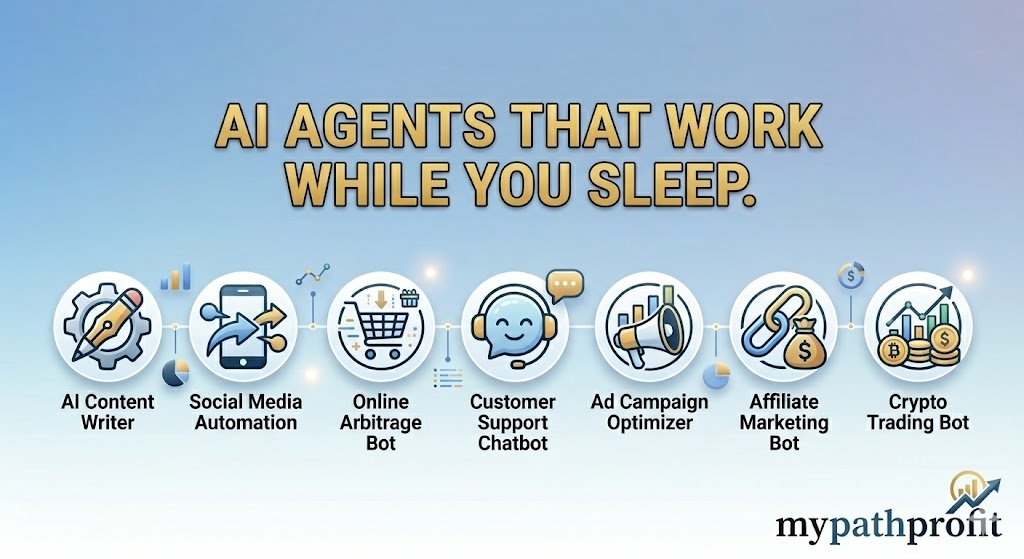
What might constructing a venture like this involve?
1. Define a narrow task with measurable inputs and outputs.
A limit works better than an open goal – try sorting help requests by how fast they need answers, or moving daily sales data from a Shopify shop into a spreadsheet each day. Big plans slow things down.
2. Identify existing tools that offer programmable access.
A handful of online spots – Etsy, Amazon Seller Central, Substack, along with Press – come built with APIs. For sites missing native API support, tools such as Browserbear or Bardeen step in, automating actions through browser interactions instead, even if speed dips and hiccups pop up now and then.
3. Map decision rules clearly.
When sales fall under X%, stop Instagram ads. Should email opens rise past Y% for three consecutive days, start the next message series. Unclear rules cause systems to fail.
4. Begin by doing it yourself, only later bring in machines where needed.
One week spent doing the work personally shows what really happens each day. Write down everything done, step by step. After that, look closely – some tasks pop up again and again. These frequent few make smart choices to hand off later.
5. Test in sandbox mode first.
Start by trying out demo versions whenever possible. These practice spaces exist for a reason. Run through tests again and again before allowing access to real accounts. Wait until outcomes stay steady across multiple rounds. Only then consider moving forward.
6. Set up alerts for anomalies.
When things work fine, weird situations still pop up. Refund demands jumping out of nowhere need attention. Alerts sent through mail or chat keep you aware. Suddenly everything changes when a quiet system shouts.
7. Once each week is enough – no need to check nonstop.
Too much watching breaks what it tries to fix. Set regular meetings on paper to review how things go, adjust setups when needed, yet drop old limits that no longer fit.
Profit isn’t promised here. Stability grows when routines hold steady. Still, even small consistency beats loud shortcuts every time.
Even so, taxes stay just as they are. Money earned without effort? Still gets taxed. In certain nations, using automated choices in business means telling someone about it. Skip the rules and you do not gain speed – you invite trouble.
Down the road, figuring out who owns what gets trickier. Revenue from a bot shaped by your old choices – whose is that? Suppose it changes too much from how it started. Laws still trail behind these shifts.
Right now, value hides in basic solutions. Instead of hunting far-off dreams about self-running money systems, small proven methods quietly manage boring repeat tasks. The extra job doesn’t vanish. It shifts shape.
Surprisingly clear thinking beats big dreams when machines take over. Not the coders, but the ones who map every step get ahead. Earning extra later might go to those spotting useless tasks first. Hard work takes a back seat to smart cuts.
“Check out our other tips on MyPathProfit“