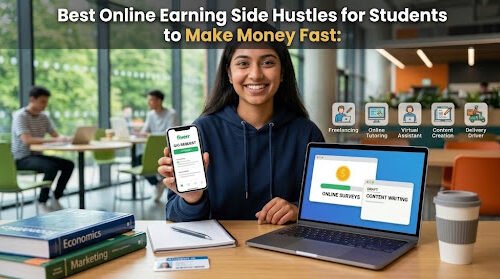
Ways Students Can Make Money Online With Real Apps and Side Jobs.
If you want to earn money online as a student, you don’t just have to rely on freelance tasks or driving deliveries. Yet other ways exist beyond those. Hidden potential shows up by using hours smarter – matching tiny actions with overlooked tools handing out small cash bits. Certain programs pay users during everyday habits, almost like background noise. They will never cover rent alone, yet together they ease pressure while classes stay the priority. Money slips in between lectures, not instead of them.
Passive data used in apps.
Some phone apps give rewards just for staying on your device. Take Nielsen Computer and Mobile Panel, for instance. This one watches what sites you visit, how much time you spend in apps, things like that. The goal? Understanding shifts in online behavior. Once installed, it runs quietly in the background. Every few months, participants get a gift card without lifting a finger. A different path involves Honeygain.
Instead of tracking activity, it shares spare internet connection. That extra capacity helps power studies done by research groups. fiverr Payments come steadily as long as the system stays active. Payouts happen via PayPal after hitting certain levels. Money made is small, usually five to twenty dollars monthly, yet needs no regular work once arranged. Reaching these amounts just waits on time, not tasks.
One thing to note – these systems work using grouped, unnamed information. Personal documents stay out of reach, no password entry needed. Yet it pays to go through the fine print on privacy. Just because an app looks familiar.
Start by choosing apps found only in recognized digital marketplaces – those showing straightforward rules plus ways to reach help if needed. Skip any that ask for odd privileges, such as reading texts or managing device settings.
Complete Micro-Tasks Strategically.
Tiny jobs appear when big company work gets split apart. MTurk by Amazon holds small pieces such as labeling photos, brief question rounds, or turning speech clips into words. Each piece pays between one cent and two dollars.
Fast hands gain an edge here. Those who finish fast without mistakes pull in higher hourly totals. Some quit fast when earnings seem small. Yet those who stick around often make between three and eight dollars hourly once they figure out which requesters offer decent work most days.
Getting paid to answer questions? That happens here. Working with real studies sets this apart from usual survey spots. Some tasks need under five minutes, others go longer. Money moves through PayPal after conversion. Pay ranges between six and nine pounds hourly. Matching your details right boosts acceptance chances.
Universities team up with this platform often. Length varies, but nothing stretches too far beyond twenty minutes. Trust comes from linking only with verified academics. Details matter – fill them true, get picked more. Wrong details about behavior or background mean instant rejection. Those studying psychology, economics, or similar fields tend to fit study criteria well – so they get picked more often.
Start small – pick just one tiny-job site first. Bouncing around too many? That burns minutes on repeat registrations, confusing pay terms. Write down every job you finish by hand. Problems pop up now and then. Having records makes it easier to fix missing money.
Leverage Your Current Skills Without Freelancing Stress.
Lots of tips tell learners to try Upwork or Fiverr first. Yet finding steady work there often drags on for months. Another path shows up if you look closer – helping build free learning tools. For instance, WikiTree hires writers who check family history data. Whoever pays close attention to facts might earn a little over time. Once you reach ten dollars in accepted work, the money goes straight into your account.
Here’s a different path: turn spoken stories into written records for charitable groups. The Smithsonian Transcription Center brings in volunteer helpers. Though many of these roles come without pay, certain connected organizations provide small payments when running official projects.
Getting involved creates real, checkable background knowledge. This kind of history might open doors to paying jobs in research down the line.
Some learners who are good with words fix errors in BBC’s Subtitle Challenge, even if there is no pay. Still, doing it builds real experience. When added to past work, it helps when asking for jobs at places such as Rev or Scribie. What counts is showing steady skill through small chances like this one.
Rent Out What You Own
When your laptop sits around doing nothing, it could actually make money instead. Take someone running code while they sleep – this happens through networks such as MQL5 Cloud. The system uses spare brainpower from devices already turned on.
Put the app on your machine, choose how much gets shared, then step back. Earnings come without slowing things down when you’re working. Nighttime is busy for these tasks, leaving mornings free and fast.
When your phone holds plenty of free room, Storr acts like a digital landlord for that spare capacity. Because security matters, files get scrambled before breaking into chunks across nodes.
Earnings rise when your device stays online longer with faster links. Since steady internet helps, learners using campus networks often earn more. Getting started? It slips together in under ten minutes flat.
A steady paycheck still comes from work. Yet idle gear quietly pitches in over time.

Sell Notes and Study Materials with Care.
Notes pop up online when learners share them through certain sites. Before going live, StudyPool plus Course Hero check what gets posted. Cash depends on how many view or grab the material. Hit a good streak of activity, earnings might touch fifty bucks each month. Bans come down hard on anything breaking school honesty rules.
If it’s lecture material, a protected book, or test solutions – access gets shut off. Still, the system holds firm against these by design.
Start by explaining ideas your own way – show links between topics, ways to tackle problems, sketches that make things clear. Stuff built to help grasp tough parts usually gets approved, not quick fixes.
Share often in subjects you did well in. Across months, a pattern grows: deep study feeds useful notes which bring steady pennies.
Avoid Things That Promise Quick Gains.
Most fast-growing paths need effort or come with danger. Getting rich quick is rarely honest. Small gains show up first when you do things right every time. Success takes focus, not luck. Skipping steps breaks even the best plans.
How to (Earn Money Online as a Student):
Not every app that looks like a chance is what it seems. One clue: asking you to pay before doing anything. Fast returns sound good, yet often signal trouble. Earning through bringing others in? That pattern shows up too much. Structures built on levels hide behind words like “remote work,” especially where learning happens – where they usually do not belong.
Pick sustainability first. Go with a pair of approaches that fit how you already act – one hands-off, another requiring effort. Look them over every seven days. Stop when signing in feels like too much.
Unexpected Insight The Hidden Value of Consistency.
What gets missed most by learners? Steady rhythm. Schedules lock in regular pauses – after lessons, on bus rides, late at night. Filling brief moments with a quick poll or letting tools work while sleeping adds up quietly.
A single study out of the University of Michigan showed something quiet yet clear. When students tapped into three or more trusted small-earning apps, worry over sudden school-money crises dipped. The reason wasn’t big pay.
It was simply knowing help sat within reach. That tiny safety net shifted how they acted each month. Borrowing slowed down. Doctor appointments stayed on track. Meals got eaten without delay.
This shift does not center on financial freedom. Instead it focuses on cutting sharp rises in reliance.
Balance Matters.
When making money takes too much time, grades can slip. Should test results start dropping, or assignments pile up, step back without delay. A single class lost means greater loss than weeks of extra work earnings.
Set boundaries:
Work on current jobs no more than three quarters of an hour each day. Time spent focused should stay under that mark consistently.
Sleep stays non-negotiable. Missing it always costs more than expected. Rest comes first, every time. Worth protecting like nothing else.
Turn off alerts when it’s not your scheduled time. Sometimes silence helps more than pings do.
Start by setting up automatic transfers whenever possible. When bills repeat. A dedicated bank card keeps incoming money apart from daily spending.
Start Small Stay Skeptical.
Start using a single app every fortnight. See what comes back compared to effort spent. When annoyance grows larger than gain, let go. Boredom is a sign – pay attention.
A good app doesn’t shout for attention. What matters is how quietly it works when you need it – never the logos, never the hype.
A small win shows up softly: maybe coffee bought without dipping into emergency funds, perhaps a textbook covered fully at checkout, just space to pause before the month runs out.
Slow gains rarely match what hope sells. Yet they outlive the rush.

Conclusion:
Making cash online while studying does not mean turning life upside down. Real chances hide in plain sight during regular routines. Some apps gather information without effort, tiny jobs pay small amounts, old gadgets can earn second lives, sharing what you know carefully also adds up – all this fits between classes. Pick what matches your daily flow, skip the noise, track steady steps instead of fast wins.
Gains start low. Yet doing it regularly builds quiet help that matters later. Start by putting long-term needs first. Shield your main goals like a buffer against distractions. See any added money as padding, never a way out. Real progress comes slowly – small wins add up when risks stay low. Choices made carefully today keep tomorrow steady.
“Check out our other tips on MyPathProfit