Monetize Roblox Games for Beginners.
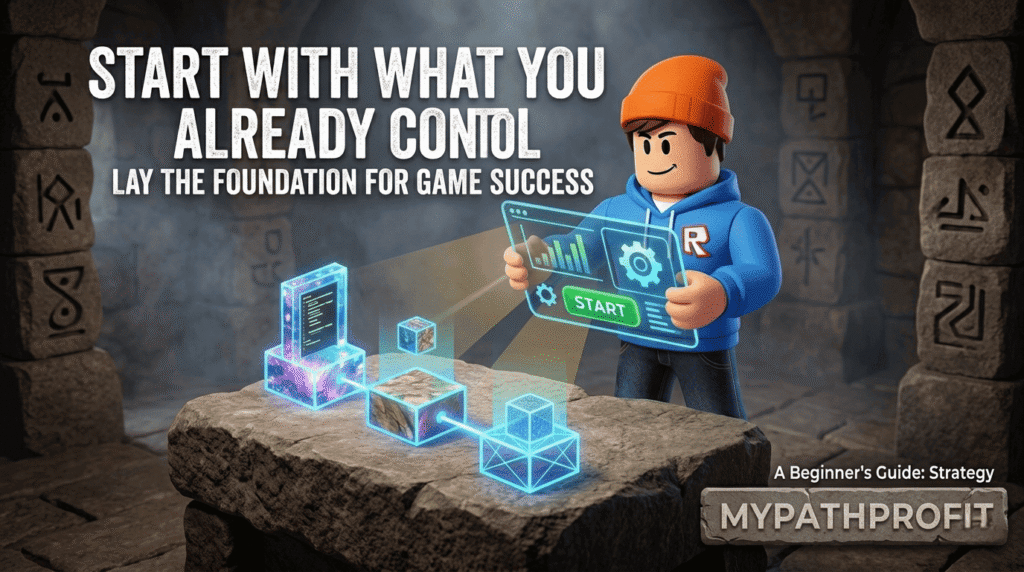
Start With What You Already Control:
Many tutorials push going viral or mimicking hit games. New creators usually fail there. Try looking closer instead – like keeping a few people playing regularly. A tiny audience of ten each day earns money when they stick around. Staying power comes less from excitement, more from how things are built. Watch how long people stay using Roblox’s own tracking tools.
When most exit fast – under a couple of minutes – the opening moment likely needs work. A rocky start pushes them away. Try changing what happens right at the beginning. See if that keeps more around longer.
Start where everyone appears, but let that spot whisper hints. A hum in the air might pull attention left. Near the edge, a flicker dances just beyond sight. Something shifts when no one looks directly. These small nudges aren’t traps – they match intent with direction. Early interest grows quietly, feeding curiosity before cost ever enters the mind.
Sell Access Instead of Only Products:
Talk often centers on earning Robux through sales. Yet getting inside areas – or trying special features – might help new builders more. Access tools such as Game Passes appear in Roblox creation options. Developer Products also exist alongside them. Neither one changes how a character looks. Instead they open parts of play you couldn’t reach before. Much like finding hidden stages back in cartridge game days.
A hidden cave appears beyond a sealed gate. That key you need costs just one ninety-nine via Game Pass. Step inside, discover a small game tucked away – nothing unlocks but surprise. Folks spend coins on fresh experiences, not stronger gear. Numbers pulled straight from Roblox creator tools reveal something quiet: items below two hundred Robux sell steadier every time. Mindset around price matters – even when everything is pretend.
It is not just children who act on impulse when spending. Teens often handle tight budgets and make quick choices. Steady prices help gain confidence over time. Set pass costs from 99 to 199 Robux. Instead of packing everything early, hold some features back. Later updates can reveal more options.
Currency Gains Value When It Seems Limited:
Robux drops in fresh games often feel too generous. Grabbing 500 in just a few minutes weakens its worth across the board. When something is everywhere, it stops feeling special. Players skip spending if they think they already have plenty. Value hides in how hard it is to get things.
Hand out small bits instead – like 5 or even 10 Robux – for finishing quick little jobs. Finish first in a race? Grab 10 Robux. Spot a secret token hiding somewhere? That’s another 5. Line up cool stuff to cost 150 Robux or more. Suddenly, collecting enough means effort over days. A few stick around, slowly saving. Others choose to spend real money just to jump ahead.
Real-life money habits show up here too. Tiny annoyances push players toward small buys. Because of how rewards stack up, some games make more per person. When earning feels just shy of fast, paying seems like a shortcut worth taking.
Watch out. Selling Robux directly breaks Roblox rules. Instead, offer game items, access passes, or special features that improve gameplay. Doing it this way keeps things allowed under their system.

Use NPCs as Silent Salespeople:
A character who does not play your role might just stand around. They say the same line over and over again. Change that. Place one of them close to where players buy things – near a store, entrance, or machine – and give them words no one else says. Just a small thing: “They say the door unlocks quicker when you hold the right key.
” Something about wishing makes people pay attention. A character standing close to a shop, muttering about wanting to fly, sticks in memory longer than a sign listing features. Hints land harder than facts. When someone says they long for something just out of reach, interest follows. Questions form before answers are given. That gap pulls players toward discovery.
Every now then, swap out what characters say. No code needed – just edit directly in Roblox Studio. Changing things up keeps it feeling fresh without boredom setting in. Lines shift on their own after a couple weeks pass by.
Out near big zones, a few makers tuck in hush-hush characters. These figures point nowhere commercial. Instead, they drop quiet clues like: “The second floor shifts if your footsteps echo.” Curiosity sticks around longer because of it.
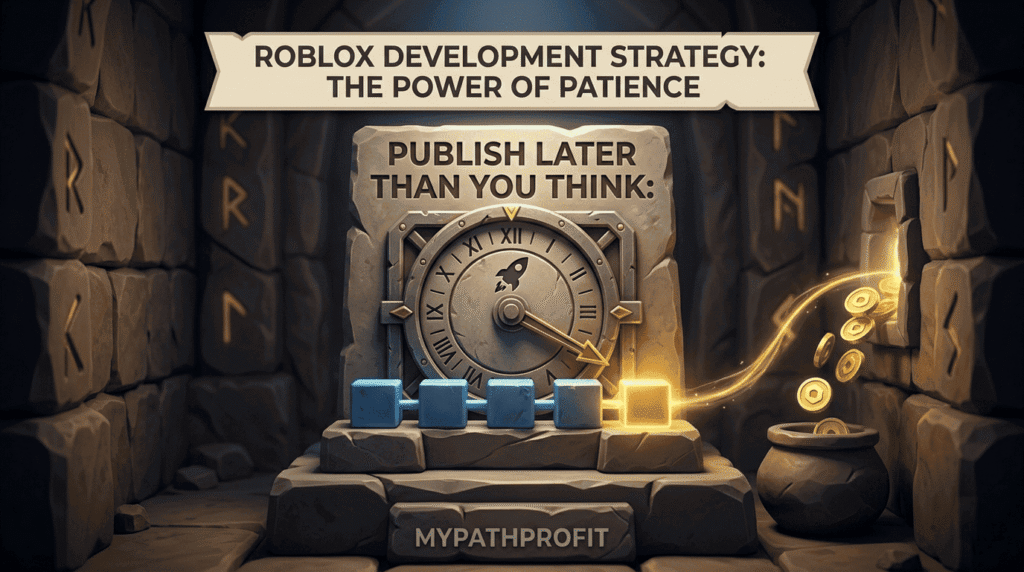
Publish Later Than You Think:
Starting off shaky costs players. New creators often push updates too fast. Instead of waiting, they patch issues post-release. This tends to go poorly. People remember how things feel at first. What matters? Early attention – clicks, repeat logins, minutes spent. The Roblox system watches these closely. Launching with glitches slows everything down.
Start by checking if the main gameplay runs without hiccups. Is it possible for someone to jump in, grasp the objective, finish a task, get a reward, then think about spending – within three minutes flat? Try it out using pals who know nothing about the setup. Stay quiet while they play. Notice exactly where they hesitate or walk away.
Start by sorting out how users move through the system. After that, adjust rewards and costs so they match the pace. Release it just when progress seems like it had to happen.
Every week once it’s live, make updates – small fixes count. Because consistency gets noticed by Roblox, which lifts your project higher in views. Set aside two hours across seven days to refine things steadily. Attention follows that rhythm. Players who come back see it too.
Look Beyond the Top Names:
Big hits run on tricky setups. For new players, copying those makes little sense. Look instead at games placed between spot three thousand and eight thousand in income rankings. These often fly under the radar but keep going. Not explosive winners – but around for ages they stay.
A few things tie these games together. Entry is easy, one main gameplay idea stands out, spending feels light. Take a climbing sim – its income comes from trail markers. These lessen fall damage. They do not shine. They are not required. Still, enough people find them helpful. That small edge leads to steady purchases.
What keeps a Roblox game alive isn’t mass appeal. Sticking around is what counts when players come back, again and again. A few hundred fans beat a flood of one-time visitors every time. Popularity surges fade fast; steady returners build something real.
Conclusion:
What comes before profit on Roblox isn’t cash. It’s motion. Watch where players go, what pulls them into loops, how pauses and payoffs steer choices. Build those rhythms early. Then let spending grow out of tension, out of wonder.
Start small instead of chasing attention. A handful of loyal visitors matters more than quick fame. Charge only those who truly want in. Let limited spots create their own pull. Hint at value without spelling it out. Release things when they feel right, not too soon. Show up regularly, even if quietly. Over time, that steady presence sticks.
What you earn comes after being there, never from showy moments.
“Check out our other tips on MyPathProfit“